- The new model strengthens information for families and facilitates the use of parental control tools.
- María González Veracruz: “This agreement shows that the protection of minors is a shared priority and that collaboration between institutions and the audiovisual sector gives concrete results for families.”
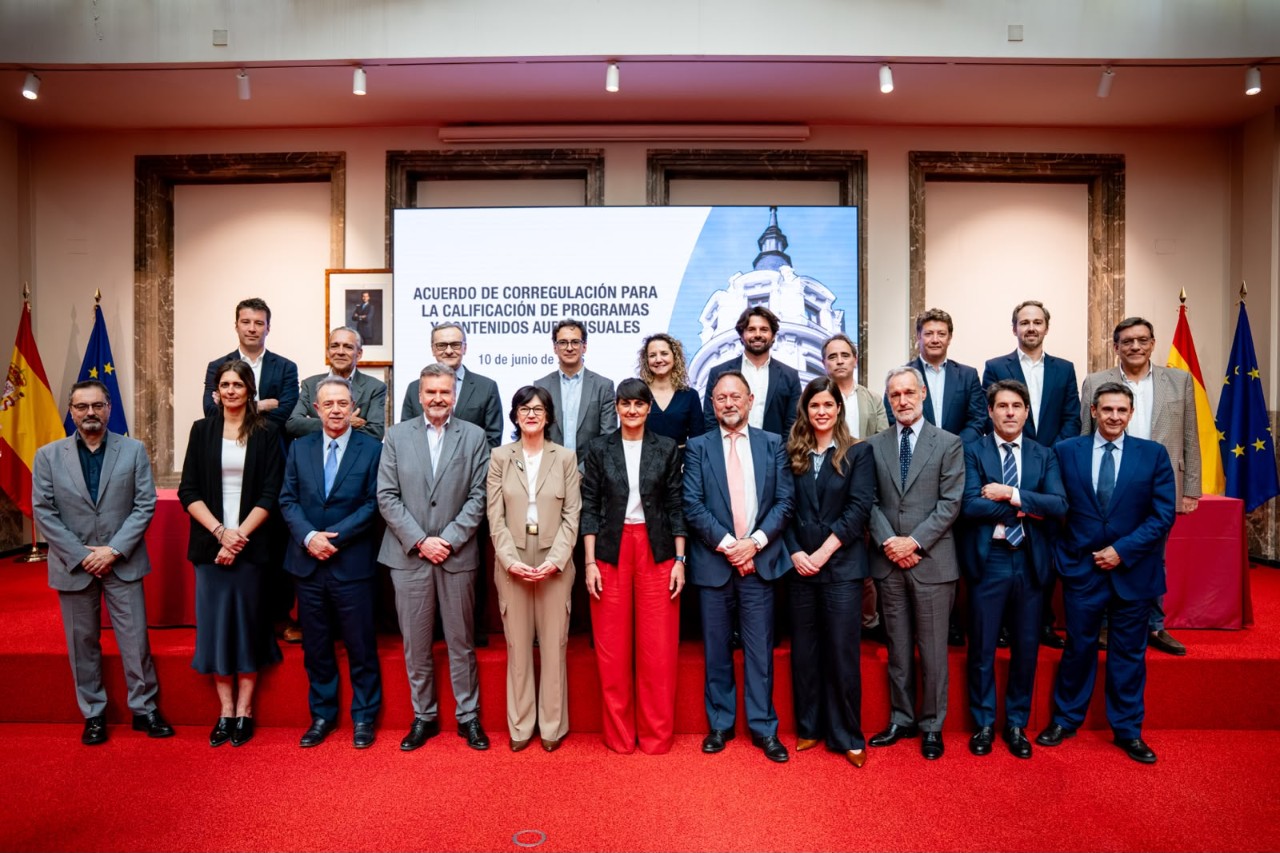
The Ministry for Digital Transformation and the Civil Service, the National Commission on Markets and Competition (CNMC) and the main agents of the audiovisual sector have today signed the Co-Regulation Agreement for the qualification of audiovisual programs and content, an initiative that strengthens the protection of minors and improves the information available to families and citizens on audiovisual content.
The agreement establishes a homogenous model of age classification and content descriptors applicable to television audiovisual media services, on-demand audiovisual services and users of special relevance. This system will allow users to make more informed decisions about the content they consume and will facilitate the use of parental control tools.
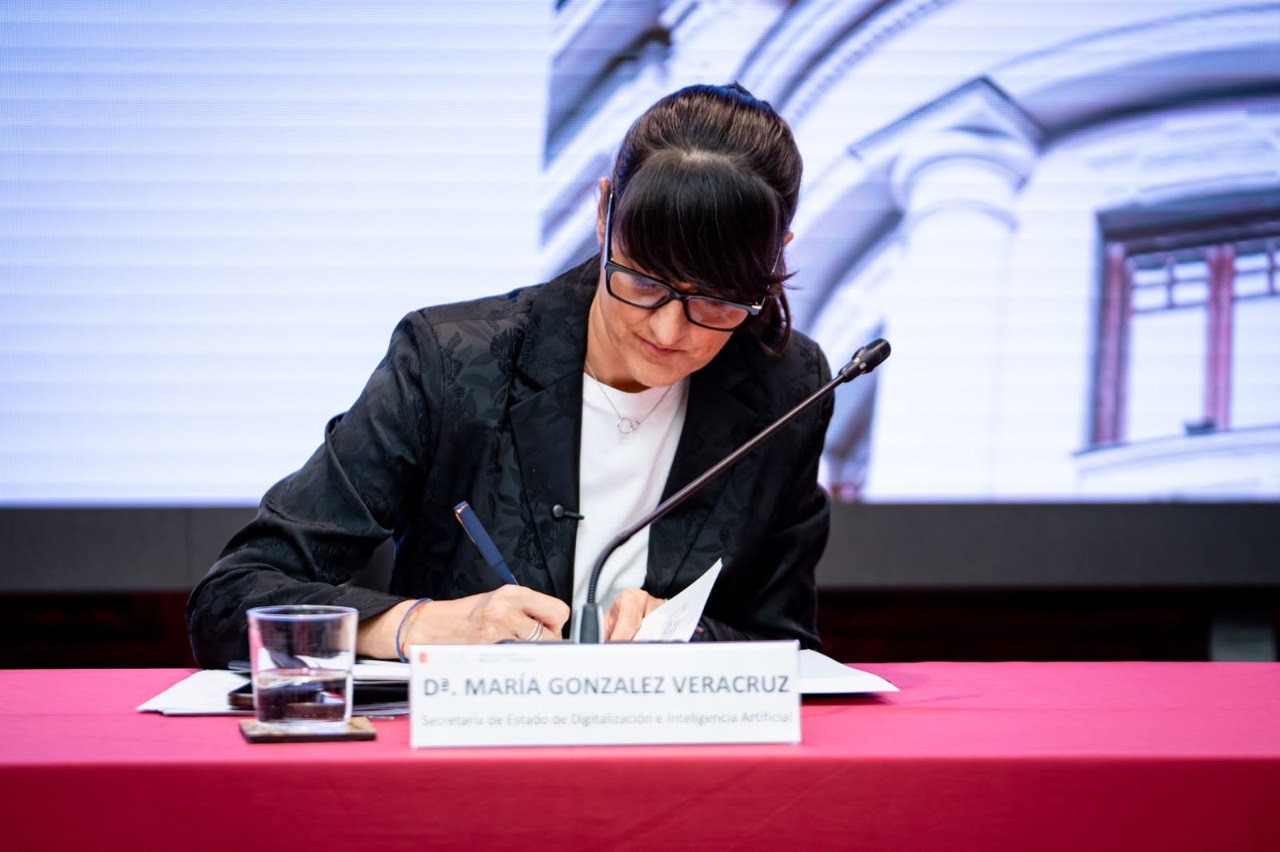
On behalf of the Ministry for Digital Transformation and the Public Service, the agreement has been signed by the Secretary of State for Digitalization and Artificial Intelligence, María González Veracruz, who has also participated in the closing of the event.
During his speech, González Veracruz said that “today we have signed a Code, but we have also done something more important: we have shown that innovation and protection can move forward together; that responsibility, creativity and diversity can coexist; and that the protection of our children is a shared priority that challenges us all as a society. This agreement shows that, when institutions, regulators, audiovisual industry and civil society work together, solutions are no longer an aspiration and begin to become reality.”
The Secretary of State stressed that this agreement is an example of effective collaboration between the public and private sectors to respond to the challenges posed by audiovisual consumption in the digital age, strengthening the protection of children and offering families more tools to make informed decisions about the contents consumed by minors.
An agreement that is the result of consensus
The signed text is the result of more than two years of joint work, during which public consultations and an extensive process of collaboration with audiovisual operators, platforms, consumer organizations and competent authorities have been developed.
The agreement has also involved the autonomous communities, both those that have independent audiovisual authorities and those that exercise these powers through their administrations, including also the autonomous cities of Ceuta and Melilla.
More information for families and greater child protection
The new system incorporates common criteria for the classification of contents and the use of descriptors that warn about potentially sensitive elements for childhood and adolescence.
In this way, mothers, fathers and guardians are provided with clearer and more homogeneous information to decide which contents are suitable for each age and the effectiveness of the parental control tools available in the different audiovisual services is reinforced.
State-level audiovisual media service providers, including users of special relevance, must adhere to the co-regulation system established in the agreement, thus helping to ensure a consistent application of the classification criteria throughout the territory.